


 |
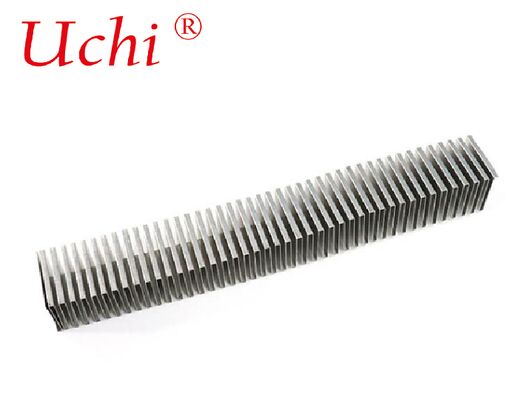
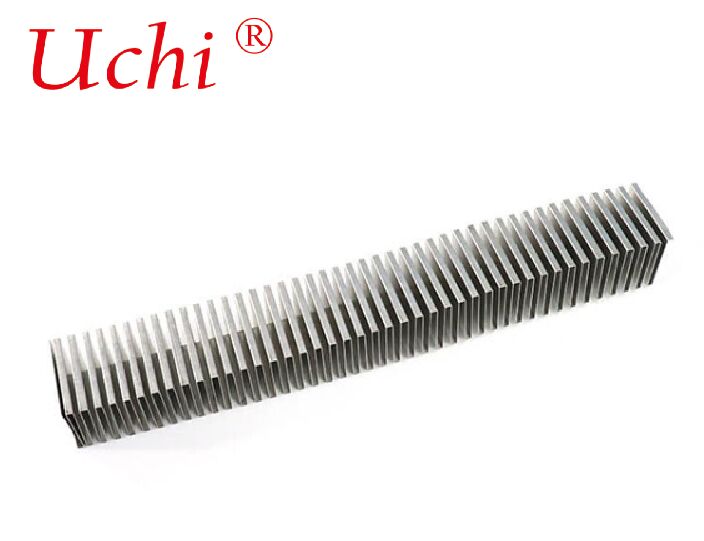
Dissipatore di calore alettato piegato in alluminio Componente di gestione termica ad alte prestazioni
Dettagli:
| Luogo di origine: | Dongguan, Guangdong, Cina |
| Marca: | Uchi |
| Certificazione: | SMC |
| Numero di modello: | Radiatore |
Termini di pagamento e spedizione:
| Quantità di ordine minimo: | 100 pezzi |
|---|---|
| Prezzo: | 1300-1500 dollars |
| Tempi di consegna: | Non limitato |
| Termini di pagamento: | T/T, PayPal, Western Union, |
| Capacità di alimentazione: | 50000000 pezzi al mese |
|
Informazioni dettagliate |
|||
| Materiale: | Rame | Misurare: | 22,5*11,4*0,8 cm |
|---|---|---|---|
| Peso:: | 0,08 kg | Tecnologia: | Stampaggio |
| caratteristica: | Flessibile e regolabile | Trattamento superficiale: | Pulizia dell'olio |
| Potenza di raffreddamento termico: | 30 W | ||
| Evidenziare: | Dispositivo di riscaldamento a pinna ripiegata in alluminio,componente di gestione termica ad alte prestazioni,Piastra di raffreddamento liquido |
||
Descrizione di prodotto
Dispositivo termico a pinne piegate in alluminio
Parametri del prodotto di un dissipatore di calore a pinna piegata in alluminio
Materiale: rame
Dimensione:22.5*11.4*0.8cm
Peso: 0,08 kg
Tecnologia: stampaggio
Caratteristica: flessibile e regolabile
Trattamento superficiale: pulizia con olio
Potenza di raffreddamento termico: 30 W
Vantaggio del prodotto dei dissipatori di calore a pinna piegate in alluminio
Ogni componente elettrico ed elettronico di un circuito genera una certa quantità di calore mentre il circuito viene eseguito fornendo alimentazione.Dispositivi semiconduttori tipicamente ad alta potenza come i transistor di potenza e l'optoelettronica come i diodi di emissione luminosaI laser generano calore in quantità considerevoli e questi componenti sono inadeguati per dissipare il calore, poiché la loro capacità di dissipazione è significativamente bassa.
A causa di questo, il surriscaldamento dei componenti porta a un guasto prematuro e può causare il guasto dell'intero circuito o delle prestazioni del sistema.devono essere previsti dissipatori di calore per il raffreddamento.
Cos'è un lavandino?
Heat sink is an electronic component or a device of an electronic circuit which disperses heat from other components (mainly from the power transistors) of a circuit into the surrounding medium and cools them for improving their performancePer il raffreddamento è dotato di un ventilatore o di un dispositivo di raffreddamento.
Produzione e materiali
- Processo: i fogli di alluminio sottili (tipico 0,1 mm, comune 0,2 mm) sono ripiegati con precisione in una matrice ondulata/zig-zag, quindi attaccati a una piastra di base di alluminio mediante saldatura, brasatura,o epoxi termici ad alte prestazioniCiò consente di ottimizzare in modo indipendente la densità delle pinne e lo spessore della base, e anche le combinazioni di materiali misti (ad esempio, base di rame + pinne di alluminio).
- Leghe comuni: 1050/1100 (alta purezza, eccellente conduttività termica), 6061/6063 (buona resistenza + prestazioni termiche, conveniente).
- Parametri chiave: lunghezza fino a 0,5 mm, altezza fino a 100 mm, larghezza fino a 500 mm.
Principali vantaggi
- Rapporto superficie-volume elevato: Molto più densa delle pinne estruse, ideale per applicazioni a spazio ristretto e a calore elevato, con una minore resistenza termica (fino al 60% rispetto ad alcuni modelli tradizionali).
- Leggerezza ed efficienza dei materiali: utilizza un minimo di alluminio massimizzando la superficie di raffreddamento.
- Progettazione flessibile: Facile personalizzazione dell'altezza delle pinne, dell'altezza e della forma per la convezione forzata/naturale.
- Compatibile con tubi di calore/camere a vapore: spesso integrato per una maggiore diffusione termica nei sistemi ad alta potenza.
Applicazioni
| Tipo | Vantaggi | Contro | Meglio per |
|---|---|---|---|
| Fino piegate (alluminio) | Superficie ultra elevata, leggera, personalizzabile | Costo superiore all'estrusione, richiede incollaggio | Sistemi ad alta potenza, compatti e ad aria forzata |
| Alumini estrusi | Basso costo, produzione semplice, rigido | Densità di pinna/ratio di aspetto limitato | Applicazioni a potenza bassa-media e a basso costo |
| Fino a schive | Ottimo contatto termico, elevata densità | Altezza limitata delle pinne, costi più elevati degli attrezzi | tubi di calore, CPU ad alte prestazioni |
Suggerimenti per la selezione e l'ottimizzazione
- Carico termico e flusso d'aria: calcolare la resistenza termica richiesta (Rθ) e la corrispondenza al flusso d'aria (LFM/CFM); l'aria forzata funziona molto meglio con pinne piegate.
- Altezza e altezza delle pinne: Piatto più stretto = più superficie, ma può limitare il flusso d'aria; pinne più alte aumentano la convezione ma aumentano il peso/contropressione.
- Qualità del legame: una scarsa saldatura/saldatura crea resistenza al contatto verificare l'integrità del legame tramite imaging termico o test di resistenza.
- Trattamento superficiale: L'anodizzazione migliora la resistenza alla corrosione e può aumentare leggermente la radiazione; l'anodizzazione nera aiuta negli scenari di raffreddamento radiativo.
