


 |
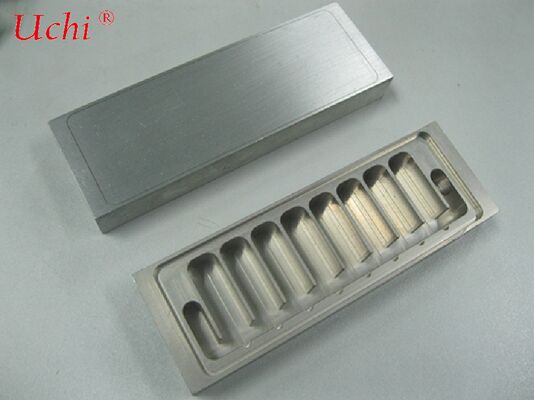
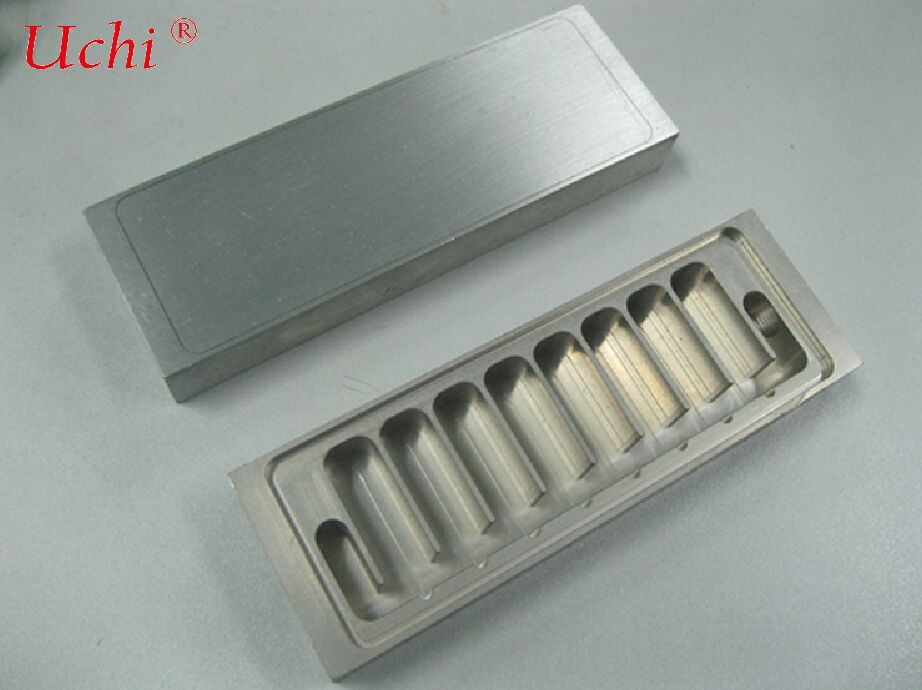
Una piastra di raffreddamento a liquido brasata è una dissipazione di calore raffreddata a liquido
Dettagli:
| Luogo di origine: | Dongguan, Guangdong, Cina |
| Marca: | Uchi |
| Certificazione: | SMC |
| Numero di modello: | Radiatore |
Termini di pagamento e spedizione:
| Quantità di ordine minimo: | 100 pezzi |
|---|---|
| Prezzo: | 1300-1500 dollars |
| Tempi di consegna: | Non limitato |
| Termini di pagamento: | T/T, PayPal, Western Union, |
| Capacità di alimentazione: | 50000000 pezzi al mese |
|
Informazioni dettagliate |
|||
| Tecnologia di legame: | FSW, tubo di pressione | Pressione operativa massima: | 10 bar |
|---|---|---|---|
| Processo extra: | Lavorazione CNC | Planarità della superficie: | 0,1 mm |
| Potenza della fonte di calore: | 24KW | Resistenza alla corrosione: | Sì, con rivestimento adeguato |
| Confezione unica: | 45X40X10 cm | Dimensioni: | Personalizzabile |
| Tecnologia: | Piegatura tubi | Dimensione della scatola di imballaggio: | 42,5*33*18 cm |
| Grado di protezione IP: | IP65 | Trattamento superficiale: | Stampaggio + finitura superficiale |
| Numero di corsi d'acqua: | 6 corsi d'acqua | ||
| Evidenziare: | piastra di raffreddamento a liquido saldobrasata,piastra di dissipazione del calore raffreddata a liquido,piastra di raffreddamento per dissipazione del calore |
||
Descrizione di prodotto
Piastra di raffreddamento a liquido brasata
Una piastra di raffreddamento a liquido brasata è una piastra di dissipazione del calore raffreddata a liquido formata saldando le piastre di copertura superiore e inferiore e i canali di flusso interni / alette in un forno sottovuoto ad alta temperatura utilizzando il processo di brasatura. Presenta eccellenti prestazioni di tenuta, canali di flusso precisi, bassa resistenza termica e alta resistenza alla pressione, rendendola uno dei processi principali per le piastre di raffreddamento a liquido di fascia alta.
I. Struttura di base
Generalmente è composta da tre strati:
- Piastra di copertura superiore: fornisce tenuta, interfacce e superficie di montaggio
- Strato intermedio: piastra del canale di flusso / alette di turbolenza / alette a perno
- Piastra di copertura inferiore: superficie di incollaggio per componenti che generano calore
I tre strati sono legati metallurgicamente in un'unità integrale tramite brasatura.
II. Processo principale: brasatura sottovuoto
- Formatura lamiera → rivestimento / pre-posizionamento metallo d'apporto per brasatura
- Impilamento e posizionamento → caricamento nel forno di brasatura sottovuoto
- Riscaldamento ad alta temperatura (circa 600°C per l'alluminio)
- Il metallo d'apporto per brasatura fonde, bagna e riempie le fessure
- Raffreddamento e formatura per creare saldature sigillate ad alta resistenza
Vantaggi:
- Nessuna porosità, nessuna giunzione fredda, tenuta all'aria estremamente elevata
- Elevata resistenza della saldatura e buona resistenza alla corrosione
- Consente design di canali di flusso complessi e precisi
- Superficie liscia, ideale per l'incollaggio di dispositivi ad alta potenza
III. Caratteristiche chiave
-
Elevata efficienza di dissipazione del caloreMicro-canali, alette a persiana e alette porose possono essere integrati nello strato intermedio, offrendo una grande area di scambio termico e una bassa resistenza termica.
-
Elevata resistenza alla pressionePressione nominale standard: 3-10 bar; versioni ad alta pressione superano i 15 bar, adatte per ricarica rapida, accumulo di energia e motori elettrici.
-
Tenuta affidabileStruttura completamente saldata con rischio di perdite quasi nullo, conforme al test di tenuta all'elio.
-
Eccellente planarità della superficieAdatto per la dissipazione del calore montata in superficie di IGBT, moduli SiC, dispositivi di potenza, pacchi batteria e altri componenti planari.
-
Realizzato principalmente in lega di alluminioComunemente utilizza leghe 3003, 5052, 6061 e altre, offrendo un design leggero, elevata conducibilità termica e costo moderato.
IV. Progettazioni comuni di canali di flusso
- Canale di flusso a serpentina: struttura semplice, bassa caduta di pressione
- Canali multipli sfalsati / paralleli: trasferimento di calore uniforme
- Alette a micro-canale: per scenari ad alta densità di flusso termico
- Array di alette a perno: trasferimento di calore ultra-elevato, adatto per GPU / laser
V. Applicazioni tipiche
- Veicoli a nuova energia: controller motore, OBC, convertitori DC-DC, moduli SiC 800V
- Accumulo di energia e ricarica rapida: convertitori di accumulo di energia PCS, stazioni di ricarica ultra-veloce, dissipazione del calore per shunt di ricarica rapida
- Controllo industriale e potenza: SVG, inverter fotovoltaici, inverter ad alta tensione
- Optoelettronica e potenza di calcolo: laser, server GPU, sistemi radar
VI. Confronto con altre piastre di raffreddamento a liquido
-
vs Piastre di raffreddamento a liquido saldate a frizione:La brasatura è più adatta per canali di flusso precisi e alta densità di flusso termico; la saldatura a frizione è più performante per applicazioni di grandi dimensioni e ad alto flusso.
-
vs Piastre di raffreddamento a liquido con profilo estruso:Le piastre brasate offrono un design del canale di flusso più flessibile e una maggiore dissipazione del calore, a un costo superiore.
-
vs Piastre di raffreddamento a liquido con tubi incorporati:Migliori prestazioni di incollaggio e minore resistenza termica, ideali per dispositivi ad alta potenza.
Vuoi conoscere maggiori dettagli su questo prodotto
